Ultra-High Precision Prototyping via Resin (SLA/DLP) Printing
From industrial components requiring micron-level accuracy to intricate design models with delicate textures. Jubeavazia's resin services achieve smooth surface finishes and complex internal geometries that are impossible with traditional 3D printing.
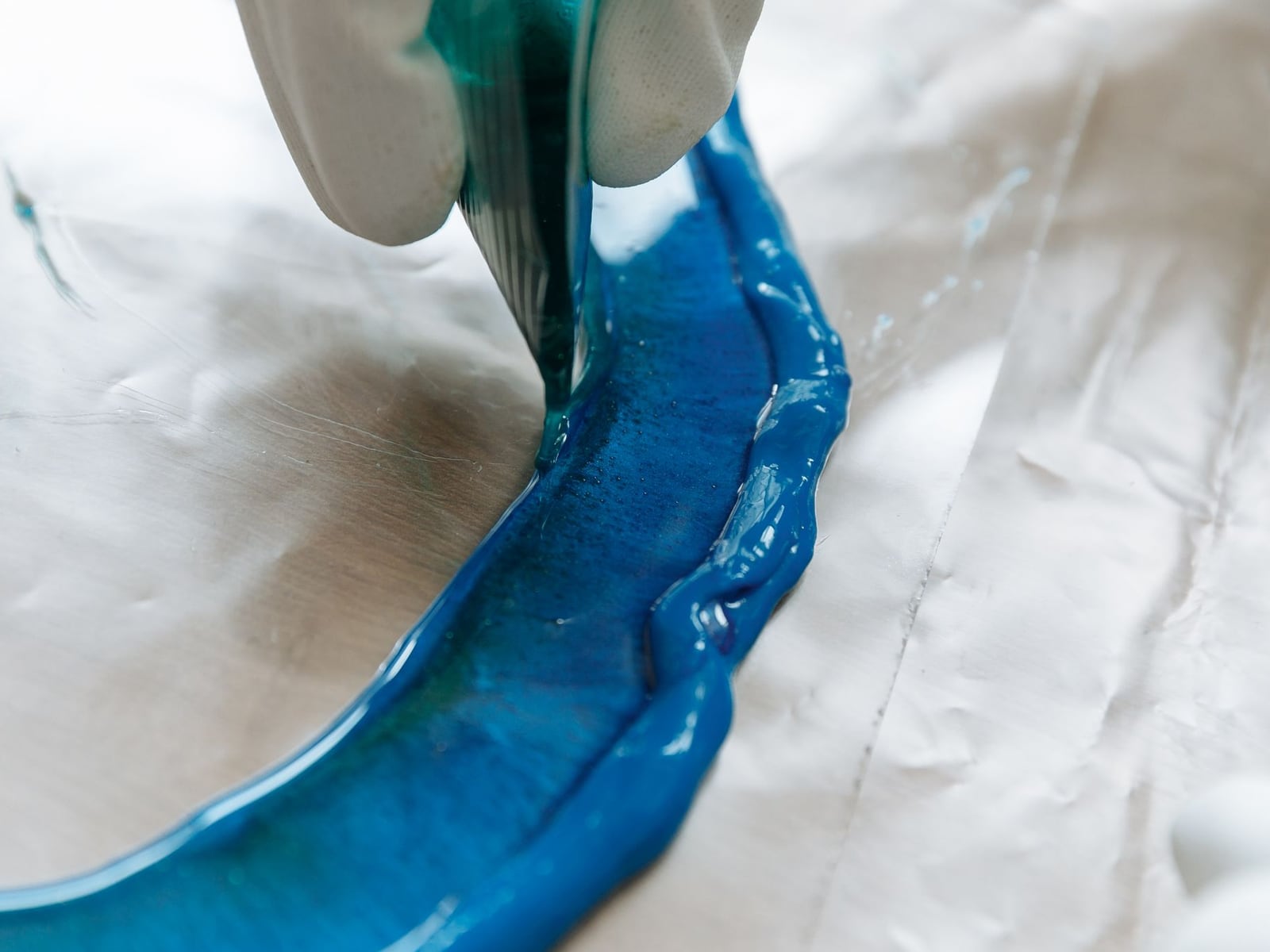
Stereolithography (SLA) and Digital Light Processing (DLP) are additive manufacturing technologies that use ultraviolet (UV) light to selectively cure liquid photopolymer resin, layer by layer. Unlike FDM printing, these methods leave virtually no visible layer lines, resulting in an exceptionally smooth surface. This makes resin printing the ideal choice for prototypes where final product aesthetics are critical or for precision components requiring tight tolerances.
At our studio located in Chuo-ku, Sapporo, we utilize state-of-the-art resin printers to deliver professional-grade results. Our services excel in cases where microscopic textures or razor-sharp edges are mandatory. From early-stage design validation to high-quality master models for exhibitions, we provide a curated selection of resins tailored to your specific mechanical or aesthetic requirements.
The Resin Printing Workflow
Data Analysis & Optimization
We analyze your submitted STL or STEP files to identify potential printing risks, such as insufficient wall thickness or extreme overhangs. We optimize the placement of support structures to ensure maximum dimensional stability and surface quality.
High-Precision Fabrication
After filling the vat with the selected resin, the UV curing process begins. By controlling layer thickness at a microscopic level, we minimize the impact of the build direction, creating seamless curves and high-fidelity details.
Cleaning & Secondary Curing
Freshly printed parts are cleaned in specialized solvents to remove uncured resin. They then undergo a secondary UV curing process in a dedicated chamber to ensure the material reaches its full mechanical strength and chemical stability.
Support Removal & Inspection
Support structures are carefully removed, and the surface is cleaned of any remnants. We perform a final dimensional check against your specifications to ensure the part is within the 0.2mm tolerance before secure packaging and delivery.
Who Should Use Resin Printing?
Our SLA/DLP services are specifically designed for clients with demanding technical or aesthetic requirements:
- Precision Mechanical Engineers: Validation of mating parts where strict tolerances (around 0.2mm) are required.
- Jewelry & Accessory Designers: Creation of castable wax models or verification of extremely fine ornamental details.
- Product Designers: Production of presentation-grade models where surface texture and visual fidelity are paramount.
- Medical Device Developers: Visual prototypes of complex anatomical structures (excluding certified medical implants).
Our Technical Approach to Fabrication
At Jubeavazia, we go beyond simple "print-on-demand." We focus heavily on orientation optimization. In resin printing, the angle of the part significantly affects the surface finish and the location of support marks. We strategically calculate the build angle so that the most critical aesthetic surfaces remain free of support attachments.
Furthermore, we implement hollowing strategies for larger parts. By creating internal cavities, we reduce material consumption and prevent internal stress-induced warping during the curing process. Our engineers suggest the optimal placement of drainage holes to ensure the part is structurally sound and cost-effective.
Preparing Your Design Data
To ensure a seamless production process, please provide your data according to the following specifications:
- File Formats: STL (Binary/ASCII) or STEP files.
- Units: All designs must be created in millimeters (mm).
- Geometry: The mesh must be "watertight" (completely closed) with no holes or overlapping faces.
- Wall Thickness: Depending on the resin type, we recommend a minimum wall thickness of 0.5mm.
If you are unsure about your data preparation, please refer to our Guide to Choosing 3D Printing Materials or contact our technical team.
Deliverables and Specifications
Every order is delivered with the following quality standards:
- Cleaned Parts: Fully cured components with all uncured resin removed.
- Surface Treatment: Basic deburring and removal of support nubs.
- Packaging: Individual protective packaging using high-grade cushioning to prevent damage during transit.
- Verification: Upon request, we provide a brief measurement report for key dimensions.
Lead Times and Delivery
While resin printing is a meticulous process, Jubeavazia maintains an efficient schedule. Our average lead time is 3 to 5 business days. This covers the period from data confirmation to final packaging. For urgent projects, we offer priority processing for an additional fee. Please submit your request via the contact form for an expedited quote.
Restrictions and Prohibited Items
For safety and legal reasons, we cannot manufacture the following:
- Weapons, firearm components, or any objects designed for aggression.
- Medical implants for direct insertion into the human body or certified medical devices.
- Structural components for aerospace or automotive industries requiring official material certification (mill sheets).
- Copies of protected intellectual property or models that infringe upon trademarks.
Pricing and Consumption Tax
Resin printing costs are calculated based on the volume of material used (milliliters) rather than printing time. This means that by optimizing your design (e.g., hollowing), you can significantly reduce the final price.
All prices are listed in accordance with Japanese law, clearly showing the Consumption Tax (消費税) of 10%. For B2B transactions, our standard payment terms are within 30 days from the date of invoice issuance.
| Resin Type | Price Excl. Tax (税抜) | Price Incl. Tax (税込 10%) | Unit |
|---|---|---|---|
| Standard Resin | 364円 | 400円 | per 1ml |
| High-Detail Resin | 545円 | 600円 | per 1ml |
※ The minimum order amount is 3,000円. A detailed quote will be provided promptly after reviewing your data. Use of this service requires agreement to our Terms and Conditions.
Frequently Asked Questions
The primary advantages are surface smoothness and resolution. Unlike FDM, where layer lines are inevitable, resin printing can reproduce features smaller than 0.1mm. This makes it superior for models requiring a professional finish or parts with complex mating surfaces.
Strength varies by resin, but generally, resin parts are more brittle than FDM parts. However, proper secondary curing ensures maximum rigidity. If your part requires high structural strength, we can suggest specific resins or design modifications like increasing wall thickness.
Yes, we offer transparent resin. Please note that parts are translucent immediately after printing. To achieve full optical transparency, additional polishing and clear-coating are required. Check our services list for post-processing options.
All design data provided by clients is strictly managed and never used for purposes other than fabrication. We can sign a separate Non-Disclosure Agreement (NDA) upon request to ensure your intellectual property is fully protected.
A high-precision prototype accelerates the development cycle and defines the final quality of your product. At Jubeavazia in Chuo-ku, Sapporo, we combine modern equipment with engineering expertise to bring your ideas to life with absolute precision.
Contact us today for a professional evaluation of your project. Request a Quote