Cost Optimization Guide
3D Printing Pricing and Cost Reduction
The cost of 3D printing is not determined by "time" alone. Material volume, precision requirements, and, most importantly, "design optimization" significantly impact the final price. This guide explains specific methods to achieve maximum results within your budget.
Estimated reading time: 5 minutes
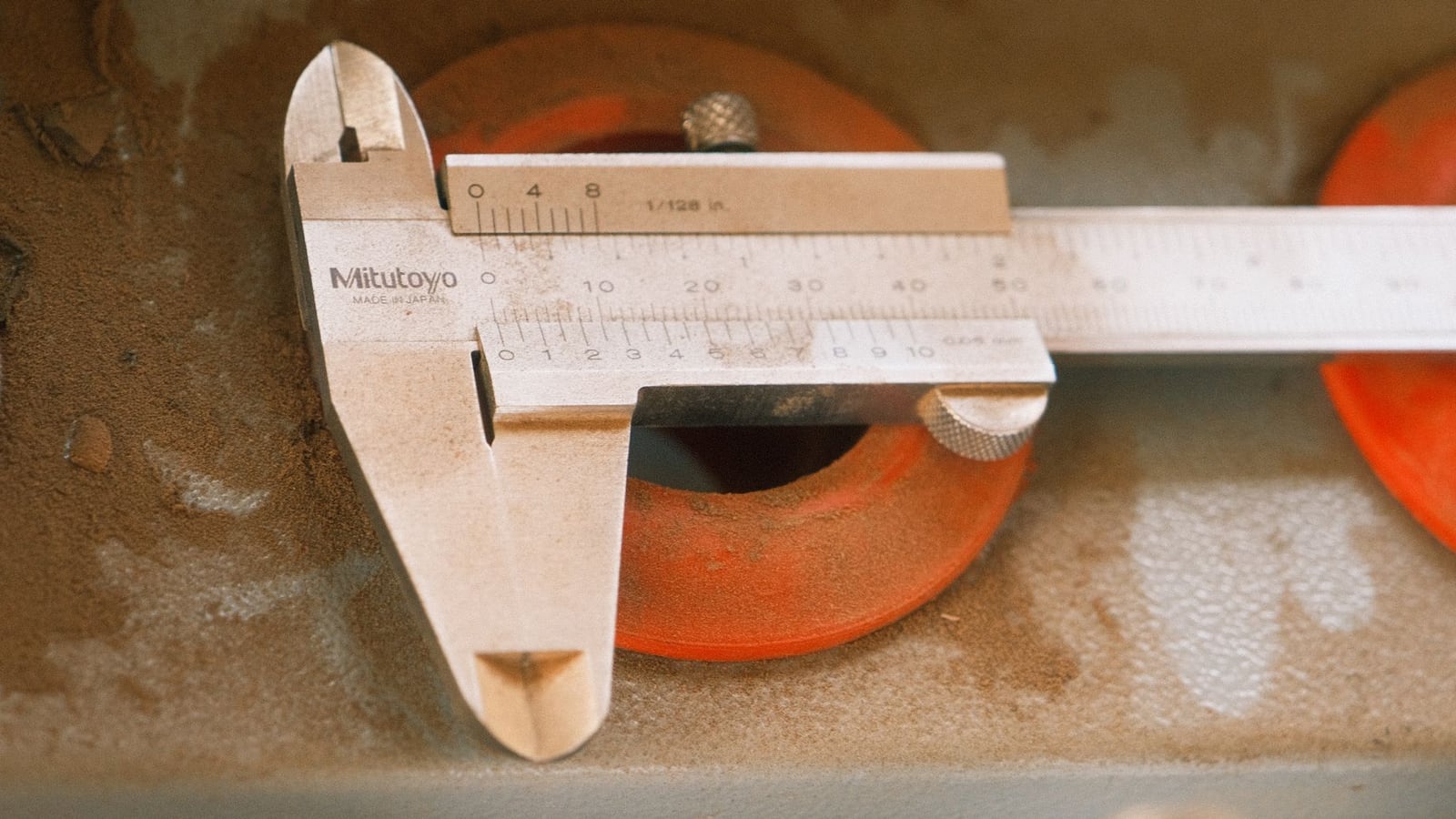
The Basic Structure of 3D Printing Costs
Generally, 3D printing fees consist of "base setup fees + material costs + printing time + post-processing." At Jubeavazia, we employ a transparent pricing system based on material weight (grams) or printing hours to help our clients manage their budgets effectively.
For FDM printing, the primary cost drivers are the amount of filament used and the total active movement time of the print head. In contrast, for Resin (SLA/DLP) printing, the volume of liquid resin and the amount of support structure used are the critical factors. Understanding these variables is the first step toward reducing your expenses.
Optimizing Infill for Cost Efficiency
The easiest way to reduce costs in FDM printing is by adjusting the "infill percentage." A 3D printed model does not need to be completely solid. By creating a lattice-like internal structure (infill), you can maintain necessary structural integrity while significantly reducing the amount of material used.
For example, a model used for visual verification only requires 10–20% infill. Even for functional parts requiring strength, 40–60% is often sufficient. Since 100% infill can double both material costs and production time, selecting the appropriate setting based on the part's intended use is essential.
Orientation and Support Material Reduction
3D printing requires "support materials" to hold up overhanging parts of a model. Because support material is removed and discarded after printing, it represents a pure increase in cost. By carefully considering the orientation (build direction) of the model, you can minimize the volume of support material needed.
Designing parts to keep overhangs within 45 degrees often eliminates the need for supports entirely, leading to shorter print times and lower material waste. Incorporating this perspective during the design phase is a hallmark of professional cost management.
Improving Performance through Material Selection
Unit prices vary depending on the material. PLA is highly cost-effective and suitable for most early-stage prototypes. While ABS or PETG are chosen for heat resistance or strength, these materials have stricter printing conditions, which can increase the risk of failure and associated costs.
SLA (Resin) printing is ideal for high-precision surface finishes, but the material cost is higher than FDM. A strategic approach to optimize your budget is to use FDM for initial shape verification and only move to SLA for final aesthetic or precision validation.
Benefits of Prototyping in Chuo-ku, Sapporo
Jubeavazia is based in Chuo-ku, Sapporo. By providing locally-focused services, we not only reduce shipping costs but also enable face-to-face design consultations. For complex mechanical parts, nuances are often lost in email exchanges, leading to repeated design revisions that inflate costs.
Our Sapporo-based engineers provide rapid feedback, minimizing rework and ensuring the shortest path to the final product. This reduces both the temporal and financial costs of the development cycle.
Cost Reduction Checklist
| Check Item | Reduction Effect | Key Point |
|---|---|---|
| Infill Optimization | High | Set to 10-40% based on application |
| Build Orientation | Medium | Minimize support material volume |
| Wall Thickness | Medium | Eliminate excess thickness to reduce weight |
| Material Tiering | High | Use affordable PLA for validation stages |
| Model Segmentation | Low | Print in sections and assemble later |
A Cost-Centric Approach to Design
The most significant cost reductions happen before the "print" button is ever pressed—during the design phase. By optimizing wall thickness and removing unnecessary bulk from the 3D model, you directly reduce material consumption and machine time.
If optimizing your model is challenging, we invite you to use our 3D Modeling & Design Service. We can modify your designs for "printability," proposing adjustments that lower the final production cost without compromising function.
Summary and Next Steps
Reducing 3D printing costs is about balancing material, settings, and design. The preparation stage is what determines both the quality and the price of the final piece. For more detailed information on creating data for production, please refer to our Guide to Preparing Models for 3D Printing.
For a specific quote or a consultation on how to lower your project costs, please reach out via our Contact Page. We will provide an optimized plan tailored to your specific project requirements.